DIY-GearLab
6 Things Nobody Tells You About Chasing an Electrical Fault on a Modern Truck
Somewhere past the ten-year mark, a lot of truck owners start bargaining with their own vehicle.
It usually starts with a battery that's dead one morning and fine the next. Then come the new battery, the alternator, the forty fuses pulled one at a time on a cold Saturday, the $150 to be told they couldn't duplicate it. None of it touches the actual problem.
Because the fault isn't hiding from you. It's hiding from your meter — a corroded ground still reads 12.6 volts, because a multimeter draws almost no current. A US patent filed in 2005 says it plainly: these tools can't diagnose a circuit that isn't running.
You can't buy a better reading. You can make the part run, and it takes about ten seconds.
Here are the seven things owners work out before they book the diagnostic.
Note: Read this before you pay a shop to find it.


1. Knowing whether it's the $40 part or the wire in about ten seconds
1. Knowing whether it's the $40 part or the wire in about ten seconds
Saturday morning. The fuel pump's the suspect. Instead of dropping the tank or running a jumper wire the length of the truck, you clip onto the battery, walk to the back, and touch the connector.
The pump runs. You just learned the pump is fine and the fault is upstream — standing there, on your own, before your coffee's cold.
That's the whole thing. Not a fixed truck. An answer, on the first attempt, without a helper and without a guess.
2. Your multimeter can read 12.6 volts on a wire that can't run a fuel pump
2. Your multimeter can read 12.6 volts on a wire that can't run a fuel pump
Think of a garden hose that's been driven over. Kinked flat in the middle. The pressure gauge on the end still reads full — the tap's open, the water's pushing. But go fill a bucket and you'll be there all afternoon.
Full pressure. No flow. Both true at once.
That's a corroded ground. A meter draws almost no current, so it sees pressure and reports a perfect number. Then the pump asks for four amps and the wire can't deliver.
3. It's not a better reading. It's a probe that works in both directions
3. It's not a better reading. It's a probe that works in both directions
Every tool in your box right now is one-way. Test light, multimeter, code reader — they sit there and report what the circuit is doing.
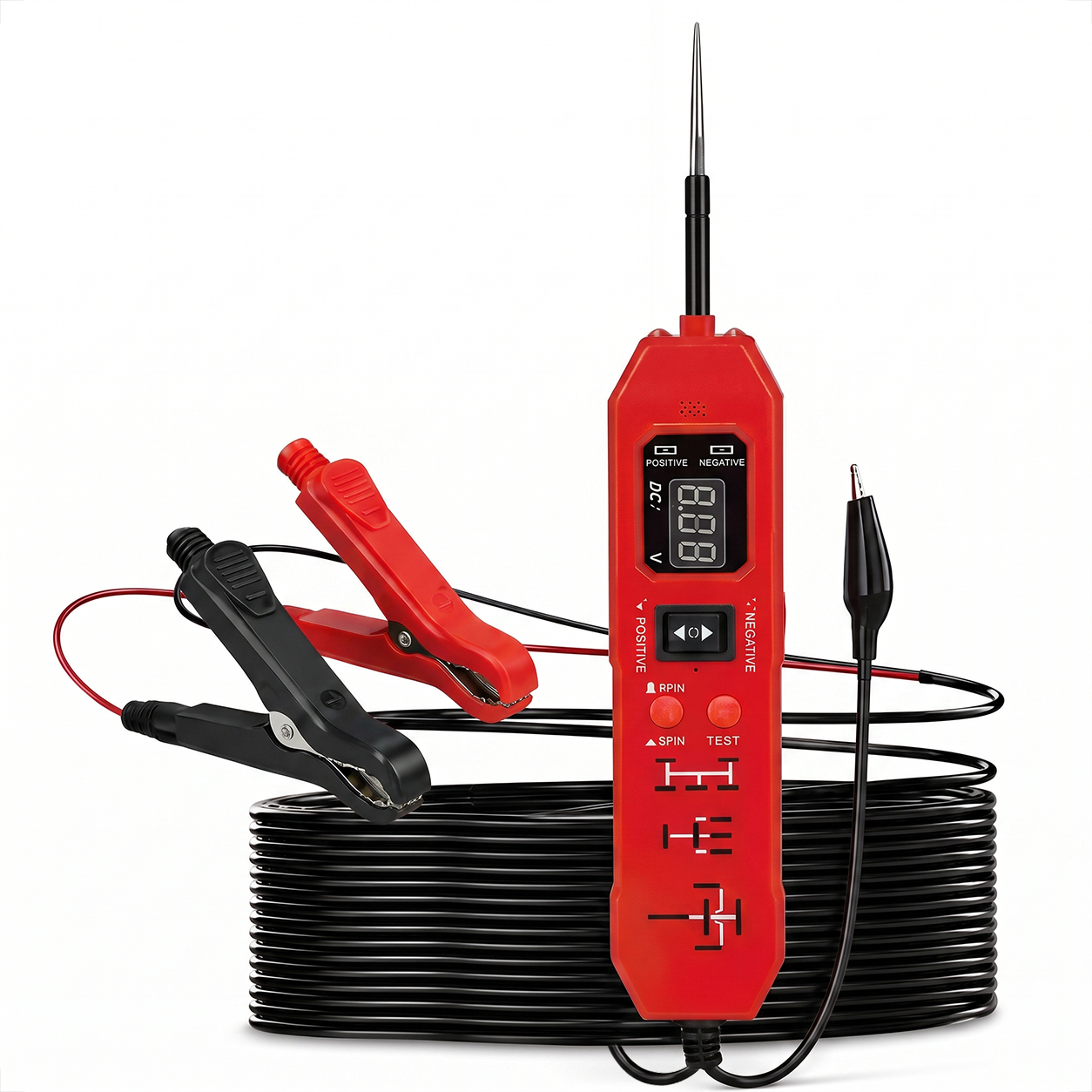
Drive Test goes the other way. The probe clips to your battery, carries that power down a 20-foot lead, and puts positive or negative straight out of the tip on a thumb switch.
You stop asking the circuit questions and start giving it instructions. Fuel pump, fan, window motor, relay, solenoid — it runs, on command, because you're the power supply.
4. The shop charges more to find the fault than this costs to own
4. The shop charges more to find the fault than this costs to own
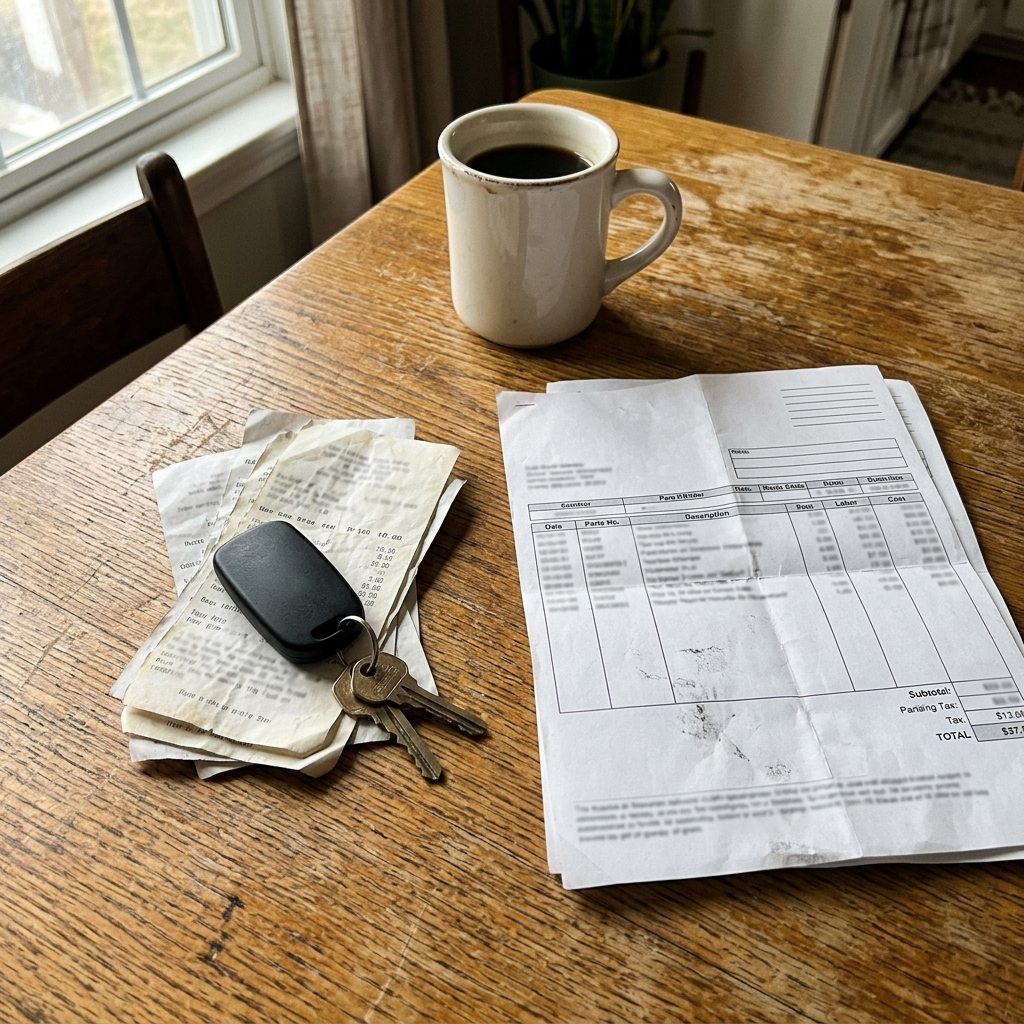
Average US shop labour is $132 an hour. A basic electrical diagnosis runs $100–$200 — half an hour to an hour of billed time before anyone touches a part. That's the price of being told which wire it is.
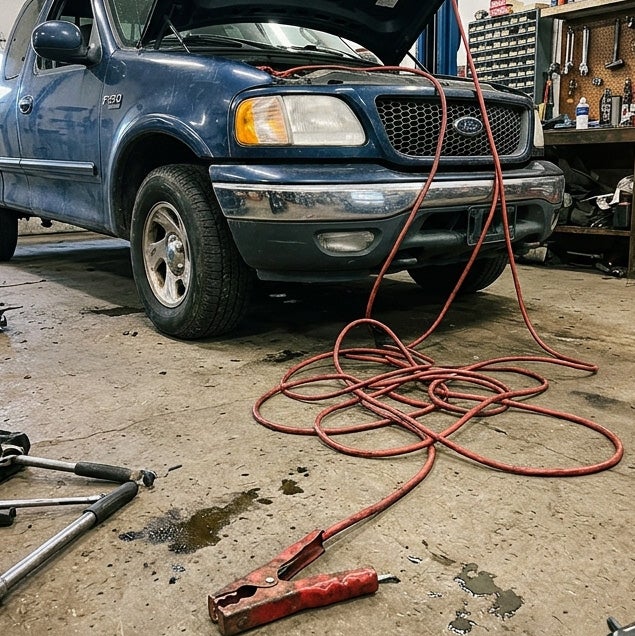
5. Two dealerships. A specialist shop. Six months. Nobody found it
5. Two dealerships. A specialist shop. Six months. Nobody found it
Here's what should bother you: the shop often can't find it either.
A mechanic explained it in one line — "Book time is scaled down to the tenth of a hour and no time is included for diagnosis." Nobody gets paid to think for three hours. So parts get changed.
When a test-engineering paper checked cruise control modules returned over customer complaints, 96% of them worked perfectly. At a national technician competition, the top 116 in America averaged 66%.
6. Thirty days to change your mind

6. Thirty days to change your mind
The professional version of this tool is $229.99 to $262.95. Same core job — power and ground at the tip, 12V and 24V, a lead long enough to reach the back of a pickup. It's been that price since 1992 because it was sold to technicians, in technician language.
30 days, money back, any reason. Free shipping.
Why 135,500+ People Are Choosing Solderstick
Mike R.
✓ Verified Buyer
★★★★★
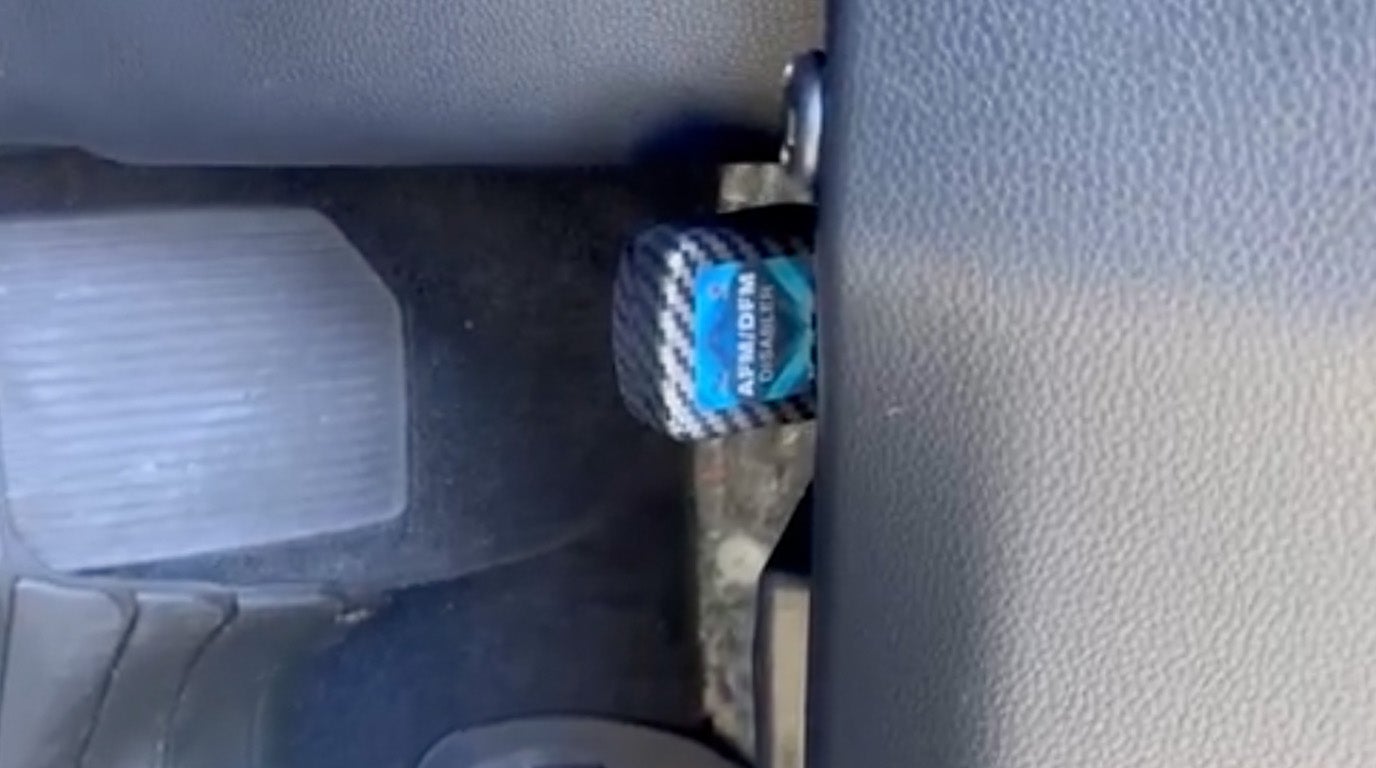
I bought this because I was getting tired of the AFM constantly switching between modes while driving. Installation couldn’t have been easier — I just plugged it into the OBD port and it was ready to go. Since installing it, the truck stays in V8 mode and the driving experience feels much more consistent. I also like that there’s no permanent modification or complicated programming involved. If I ever want to go back to the factory setup, I can simply unplug it. So far it has done exactly what I wanted.
Chris M.
✓ Verified Buyer
★★★★★
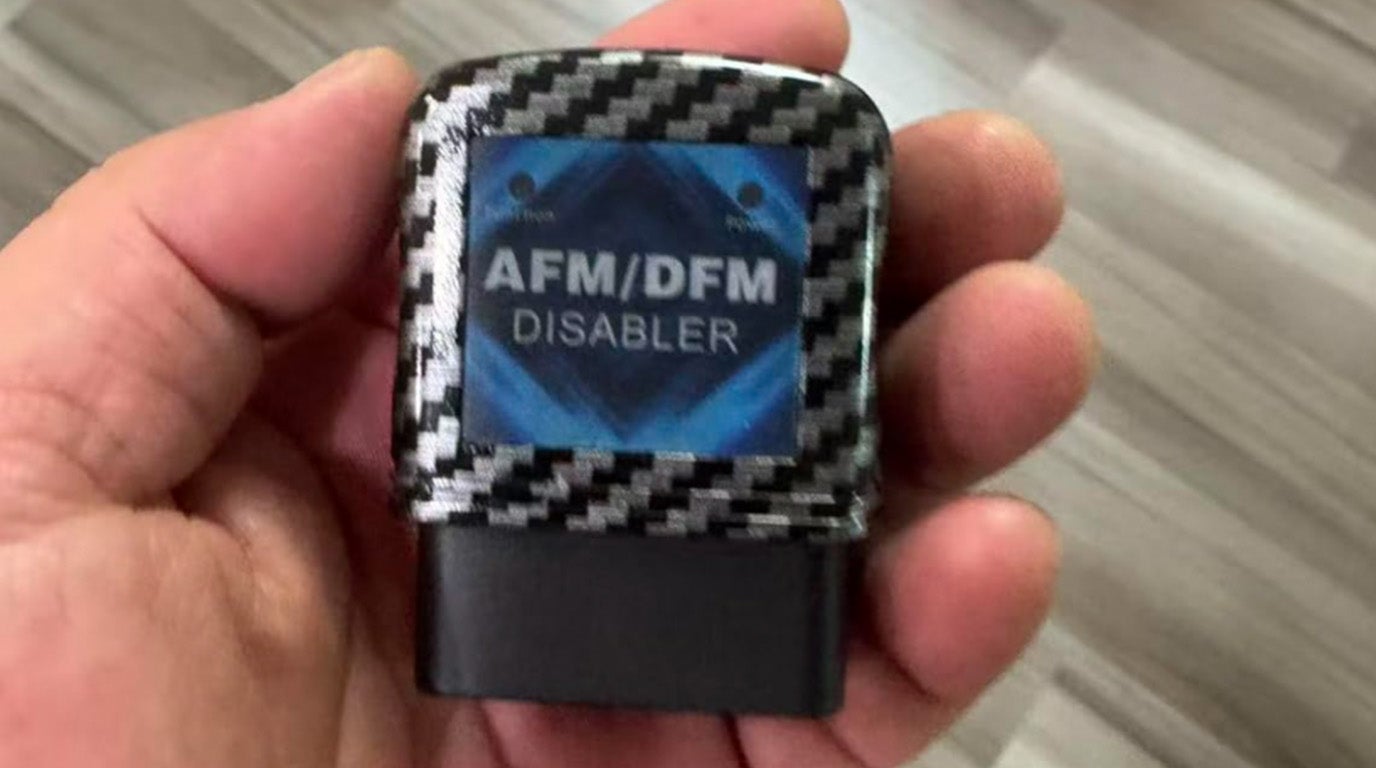
I was expecting there to be some kind of setup process, but there really isn’t. It took less than a minute to install. Plugged the device into the OBD-II port, started the truck, and that was basically it. The AFM/DFM stays disabled and I no longer notice the constant switching that used to bother me, especially around town. I’ve been driving with it for a while now and haven’t had any problems. For something this small and simple, it makes a noticeable difference in everyday driving.

Jason T.
✓ Verified Buyer
★★★★★
After reading about AFM/DFM disablers for a while, I finally decided to give this one a try. I mainly wanted something simple that didn’t require tuning or making permanent changes to my truck. This was exactly that. Installation was just plugging it into the diagnostic port, and it started working immediately. The truck now stays in full-cylinder mode and feels more predictable when accelerating or cruising. Best part is that it’s completely reversible — unplug it and the truck goes back to its normal factory operation. Very happy with it so far.
🖤 BLACK FRIDAY Sale
UP TO 50% OFF FOR A LIMITED TIME ONLY!
I was skeptical too. But with free shipping and a 30-day guarantee, there's nothing to lose.
Sell-Out Risk: High | FREE shipping
Try it today with a 30-Day Money Back Guarantee!